This marks our fourth move in the past eight years, and with each relocation, I’ve encountered a different set of circumstances. Today, I find myself lost in a mysterious maze of thoughts, desperately trying to capture and preserve them before they fade away, leaving behind nothing but an empty void.
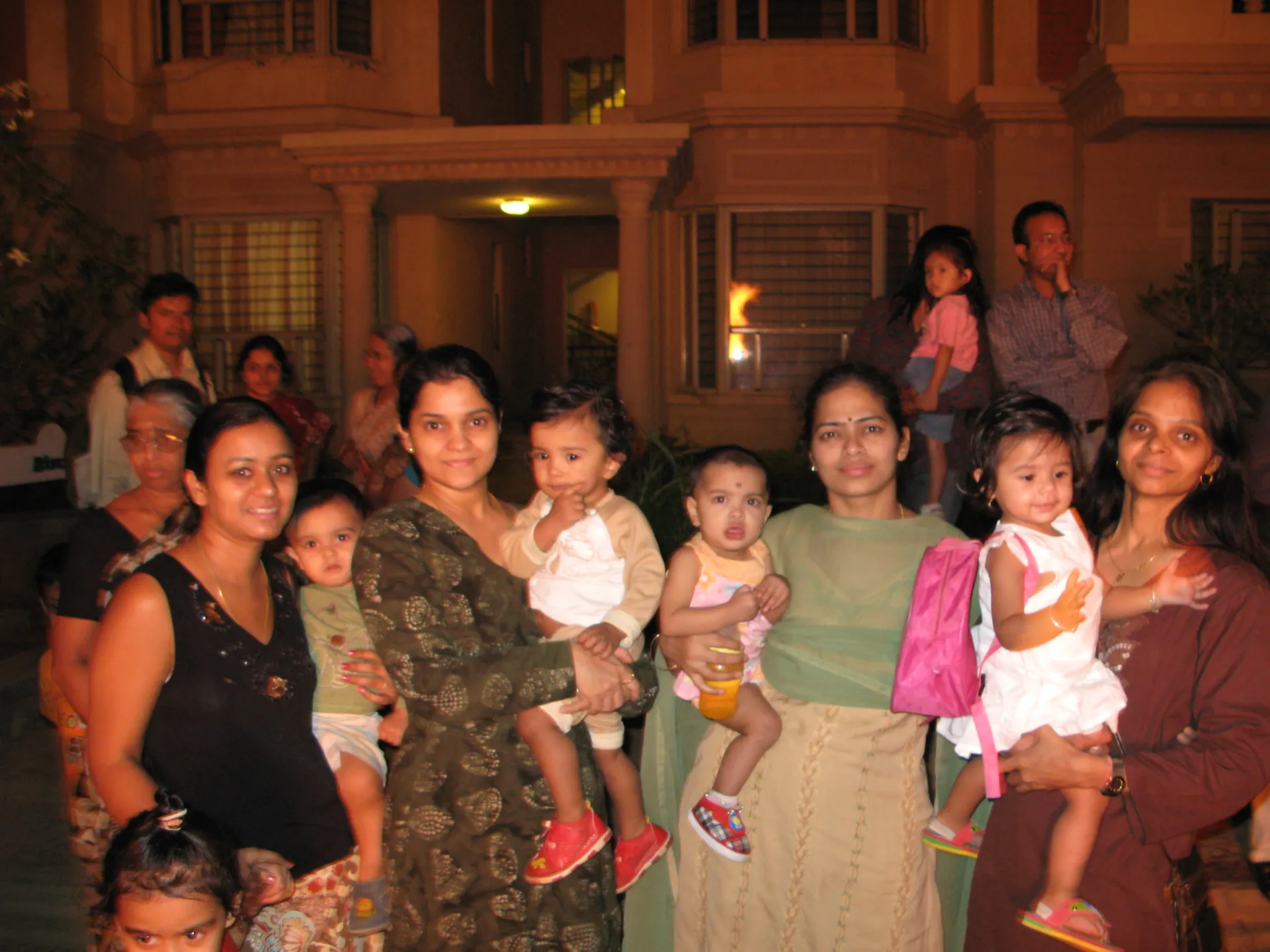
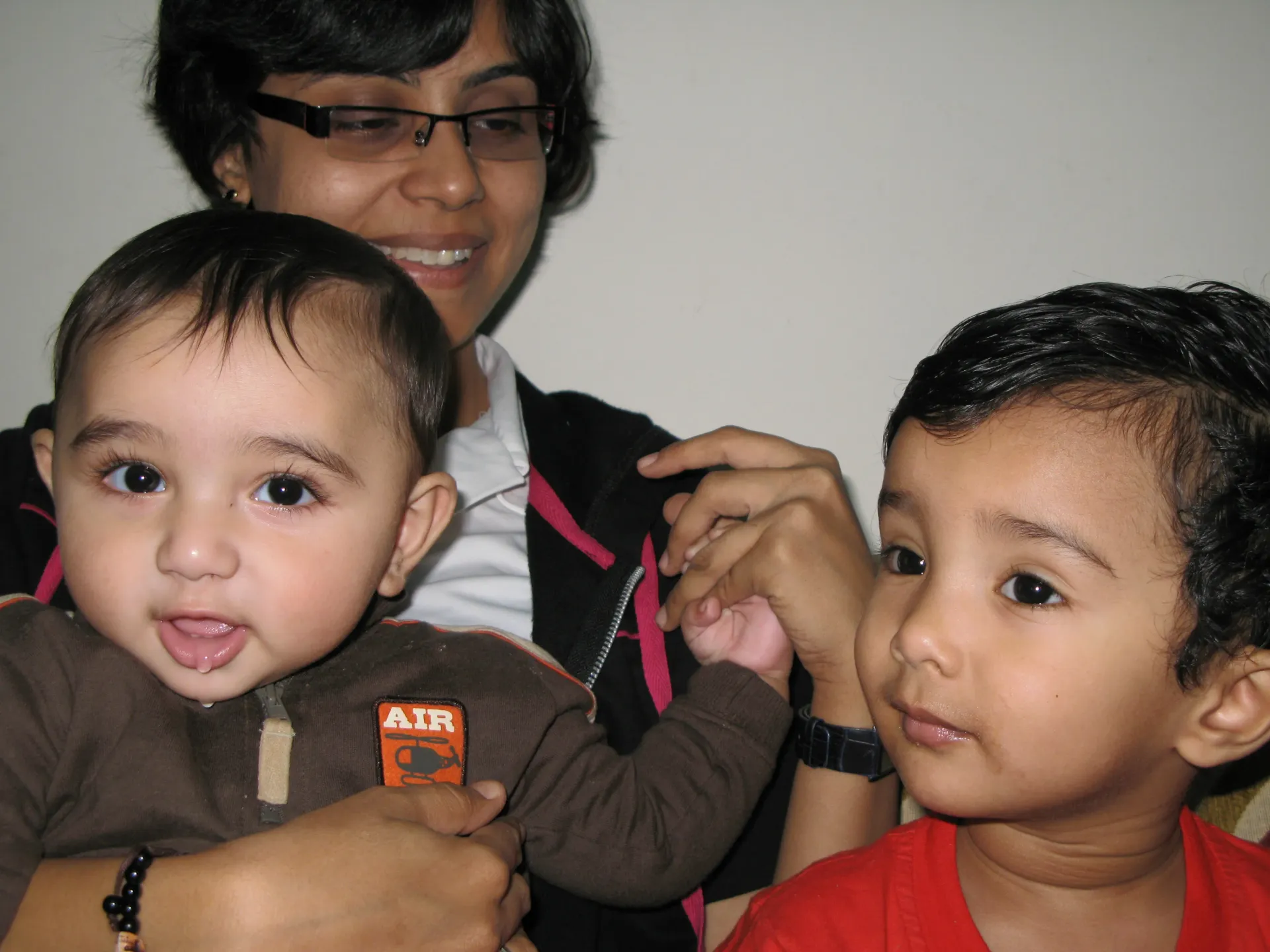
I arrived at Tata Sherwood when my son was a mere 5 months old, and now he’s almost three years old. In this span of time, I’ve had the privilege of meeting countless people and creating wonderful memories. Some became close friends, while with others, I shared enough experiences to develop a warm, amicable relationship that transcended age groups and cultural boundaries.
I vividly recall the day we moved into this apartment. As we strolled along the pavement, Santanu remarked that I wasn’t particularly social and needed to reach out to people rather than confining myself at home. And now, he suggests that I stay here with my friends, while he and Aarush move to Hebbal. Navigating through this sea of nostalgia, sentimental debates, and a barrage of “ifs” and “buts,” I was given the option to sell this property. However, I couldn’t agree with the notion, hoping that one day it might appreciate in value. After all, they say, “Home is where the heart is,” and for me, my heart still resides at Sherwood, with the friends I’ve made over the years.
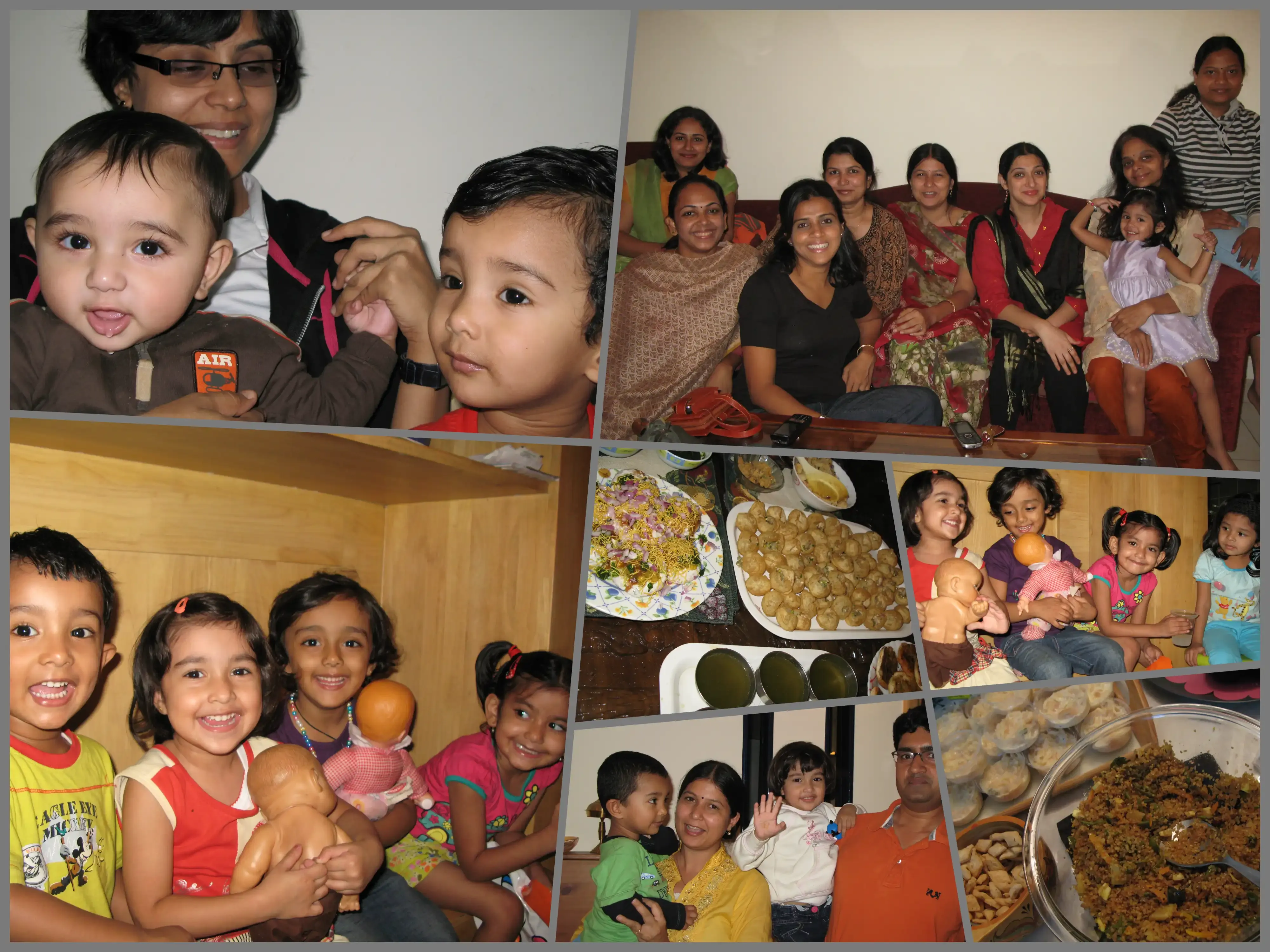
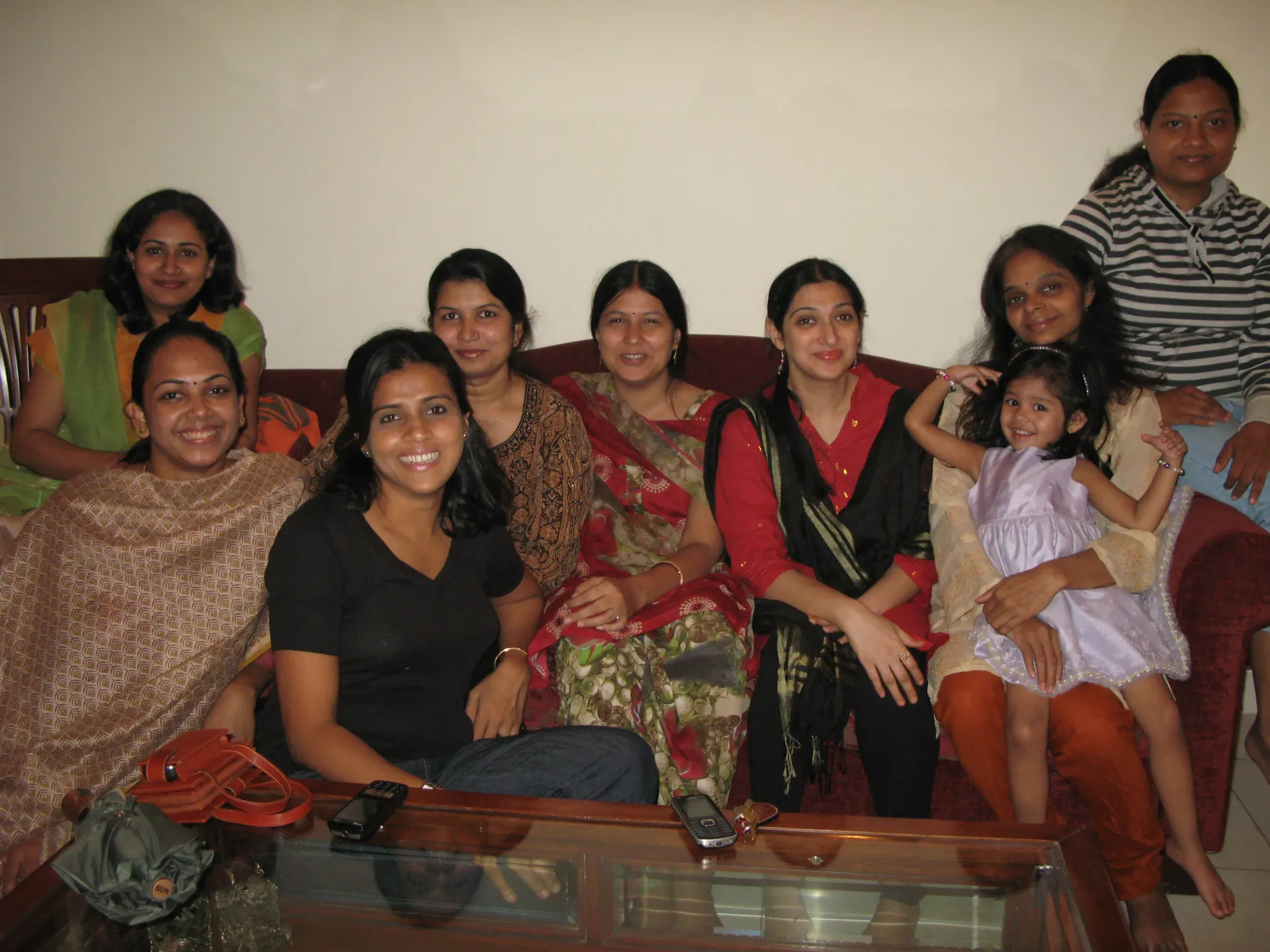
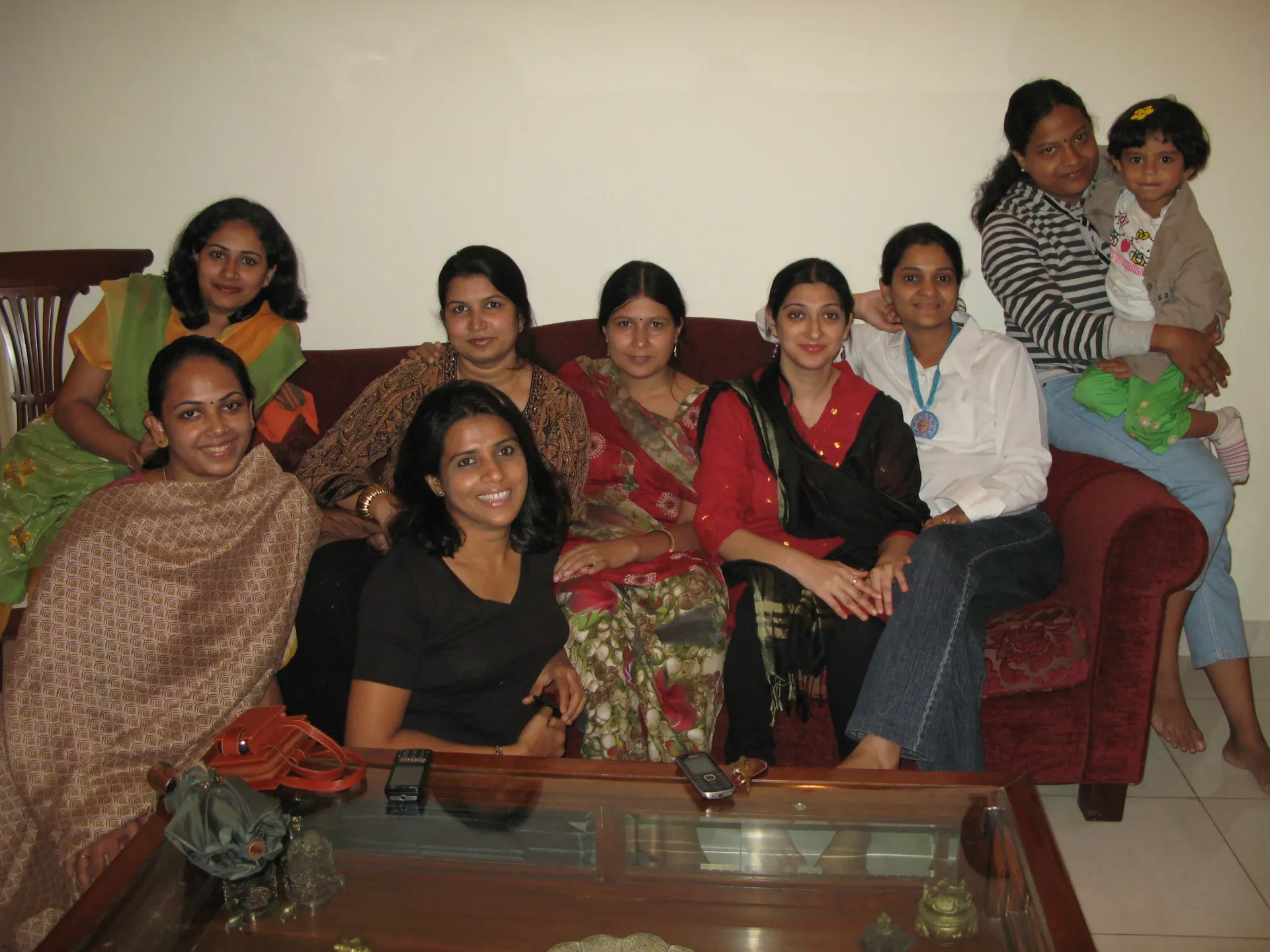
The decision to move took time, which may sound unusual in a world where people are eager to move into their own homes. However, the medium through which I connected with people here was my son, Aarush. I often organized small gatherings, be it a snack party, potluck dinner, or a simple get-together. It was my attempt to meet both working and non-working mothers. With each gathering, there was always the addition of one or two new faces. Sometimes, there were friends with whom I didn’t see eye to eye on certain topics, but that never deterred us from continuing to meet. Through these interactions, I learned a great deal, both consciously and subconsciously, about human behavior and more.
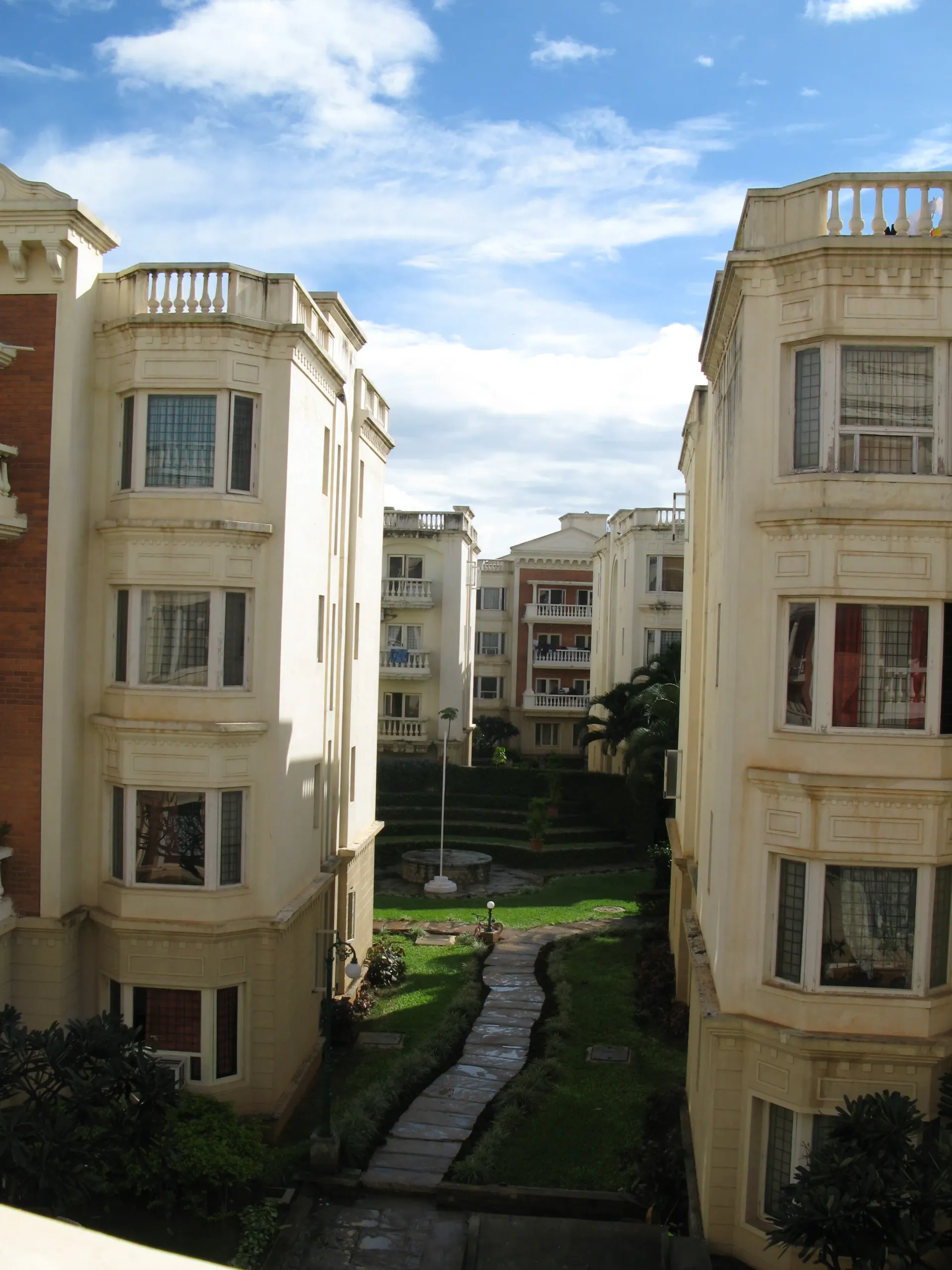
TATA Sherwood
In return, I can’t say whether it was a burden for them or not, but they, too, extended invitations to religious ceremonies like haldi-kumkum or impromptu evening snack parties. One of our major social events revolved around the kids’ birthday parties, which seemed to occur almost every month. These gatherings brought forth the anticipation of receiving return gifts, even before the birthday presents were handed out. The cake-cutting ceremonies were always filled with boundless enthusiasm.
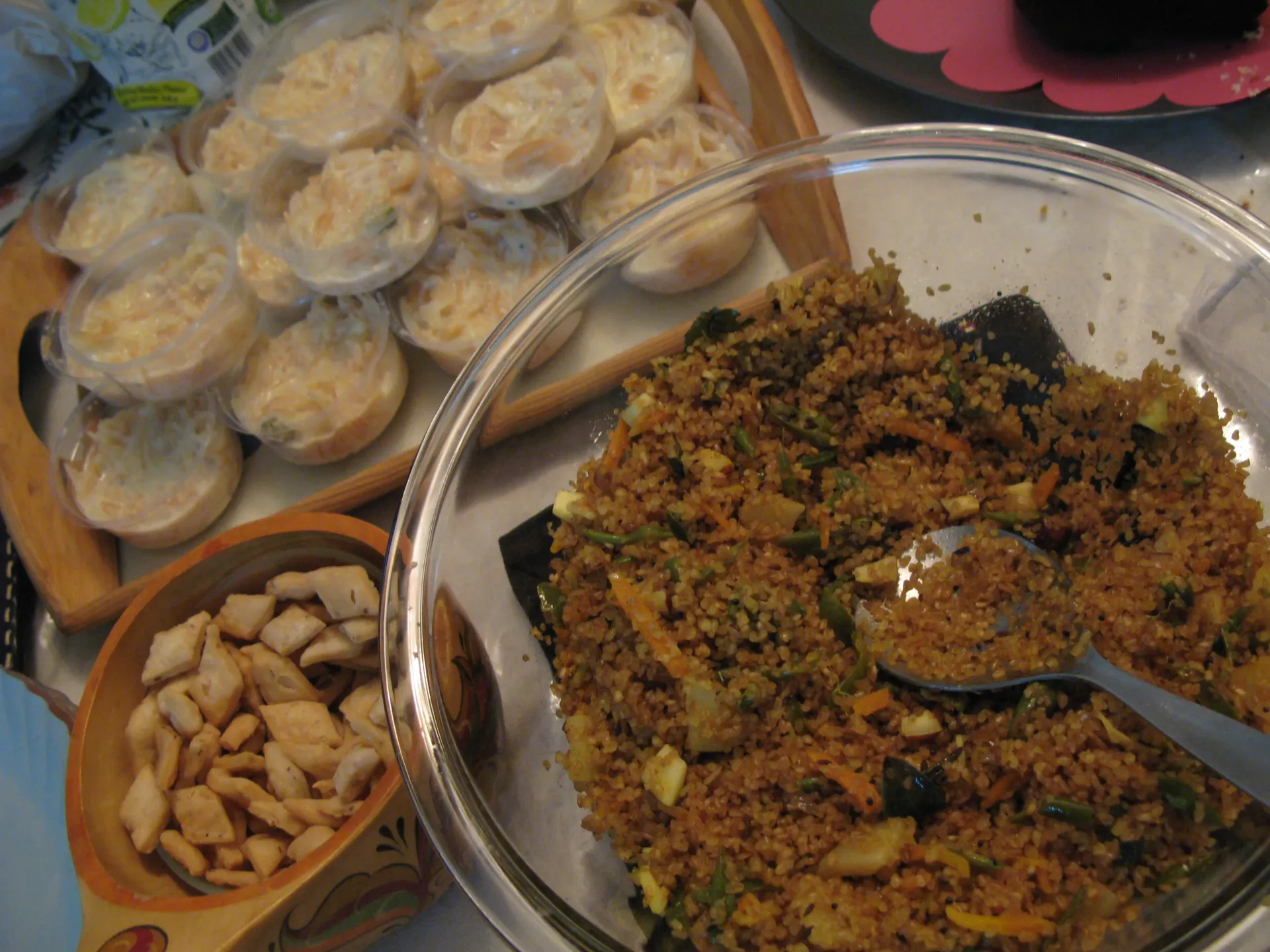
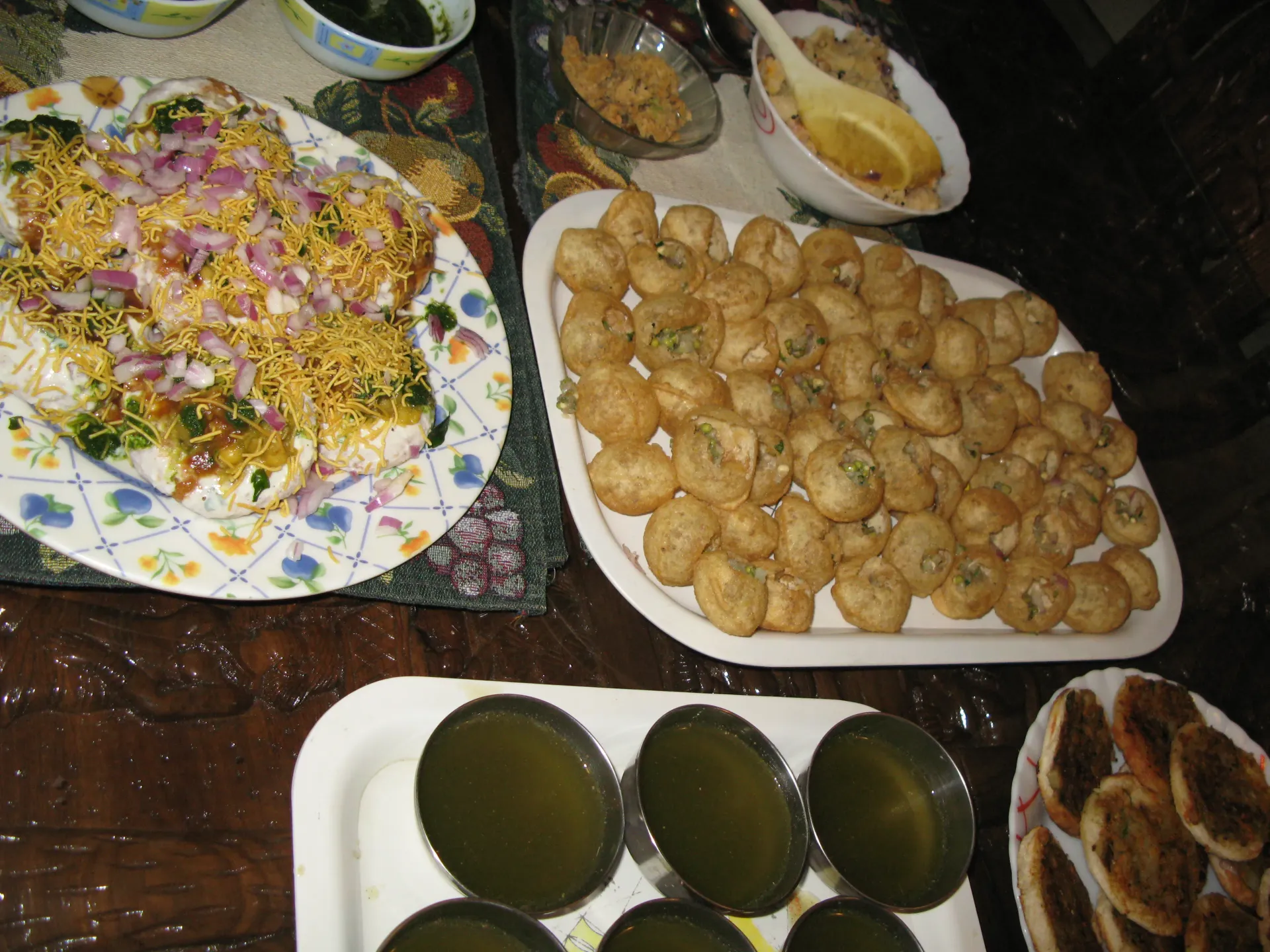
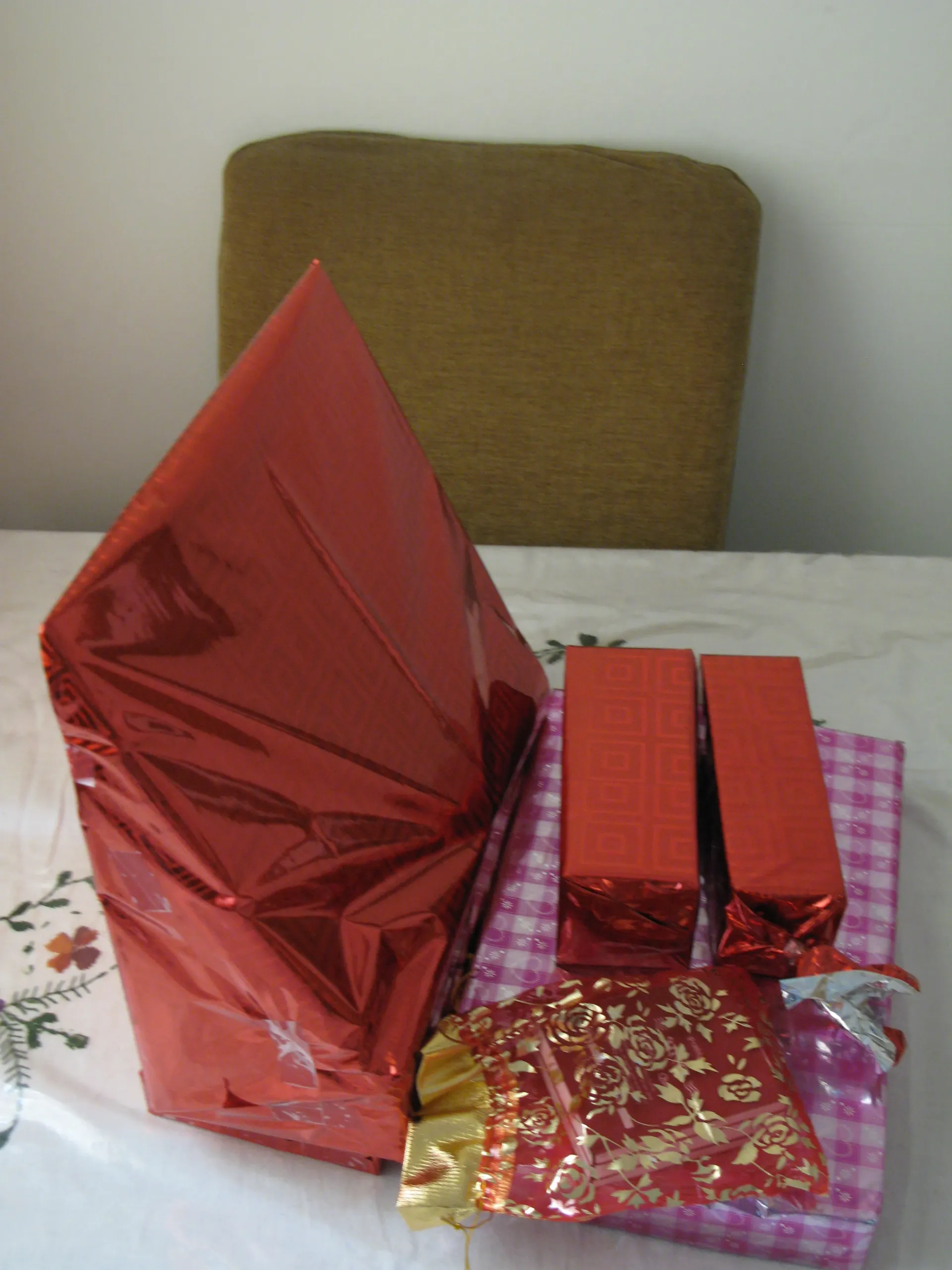
In a beautiful twist of irony, I combined my housewarming event with a farewell gathering, divided into two or three sets. It was my way of offering tokens of remembrance to everyone I had known, all while bidding them farewell within the same community. As it was practically impossible for me to visit each and every home for a dinner or lunch.
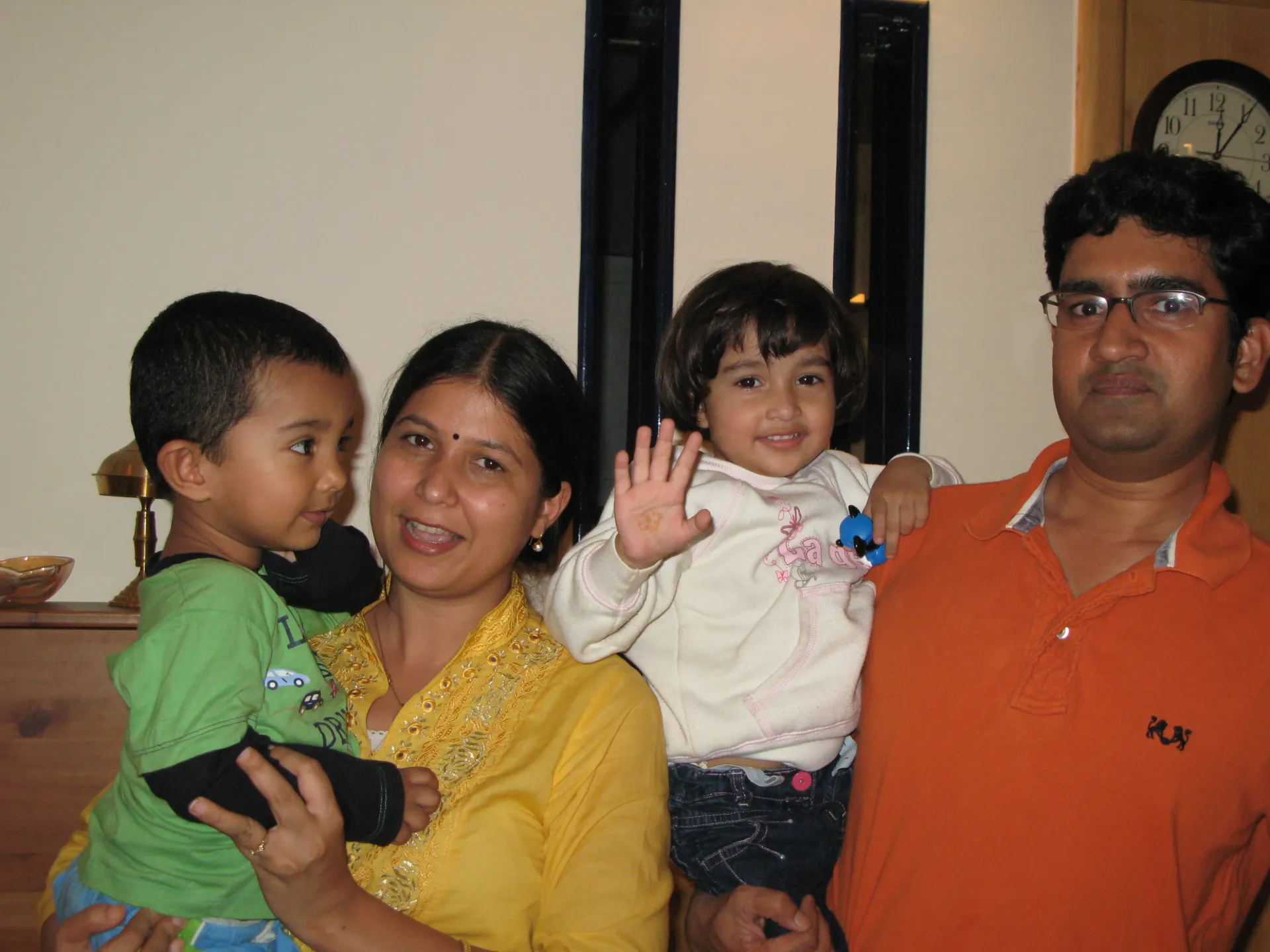
I extend my heartfelt gratitude to Kalpana, Kanchan, Pragati, Harshu, and Anita. Last but certainly not least, a special thank you to Neeti, who, despite her busy schedule, orchestrated an unforgettable dinner. To all my acquaintances and friends, I will always cherish the memories we created together, and I hope to continue coming back to Sherwood, whether you have the chance to visit me in my new place or not.
Foreword It is a historical fact that women did not have a role in the making of most modern constitutions. Historically, women rarely played a significant role. in polity in Europe and in the new world after discovery of America. Even in modern initiatives at Constitutional reforms, women have been under- represented. According to the UNDP, gender equality and women's empowerment remain critical development issues in many countries worldwide. In this context, the fact that 15 women contributed to the making of the Constitution of India, is quite significant. Although women constituted only 3.85% of the Constituent Assembly of 389 members, their qualitative contribution has been commendable. They had emerged from varying cultural backgrounds, geographically spread all over the country-four of them were from Uttar Pradesh, three from Kerala and one each from AP, Telangana, East Bengal (Bangladesh), West Bengal, Assam, Gujarat, Haryana and Punjab. In this 75th year of adoption of Constitution of Bharat, Karnataka Postal Circle recognises the contribution of the women members of the Constituent Assembly by the release of a set of 15 Picture Postcards. We are grateful to Maithili Madhusudanan (@thebigfatbao) for the elegant portraits and to #ReclaimConstitution, for curating this exquisite collection. The original manuscript of our Constitution was illustrated by Nandalal Bose and his students that included the women artists - Nibedita Bose, Gauri Bhanja, Bani Patel, Jamuna Sen, Amala Sarkar, Sumitra Narayan and Rajniti Singh. Some of these designs have also been included in the picture post cards. 8 March 2024 S Rajendra Kumar Chief Postmaster General INDIA Karnataka Circle
CONSTITUTION OF INDIA International Women's Day The Constitution of India was shaped by the elected Constituent Assembly. It was adopted on 26 November 1949 and came into effect on 26 January 1950. The total membership of the Constituent Assembly was 389. While we all remember Dr. BR Ambedkar as the Father of the Constitution and other pioneering male members who helped draft the Indian Constitution, the immense contribution of the women of the Constituent Assembly that shaped our Constitution must be remembered and celebrated too. Seventeen women were elected to the Constituent Assembly, which deliberated from 9 December 1946 to 25 January 1950 to shape our Constitution. When the Constitution was signed by the members of the constituent assembly only eleven of the women members officially signed on the historical document. Malati Choudhary & Leela Roy had resigned. Vijaya Lakshmi Pandit had resigned to become India's Ambassador to Soviet Russia. Sarojini Naidu had passed away. Two others had resigned & left India after partition. Ammu Swaminathan, Dakshayani Velayudhan, Begum Aizaz Rasul, Durgabai Deshmukh, Hansa Jivraj Mehta, Kamla Chaudhary, Leela Roy, Malati Choudhury, Purnima Banerjee, Rajkumari Amrit Kaur, Renuka Ray, Sarojini Naidu, Sucheta Kripalani, Vijalakshami Pandit and Annie Mascarene are widely regarded as the fifteen 'Founding Mothers of our Constitution'. International Women's Day (March 8) is a global day celebrating the social, economic, cultural, and political achievements of women. The day also marks a call to action for accelerating women's equality. IWD has a long-standing history, dating back to its inception in 1911. Today, IWD is a collective effort, transcending national boundaries, organizations, and groups.